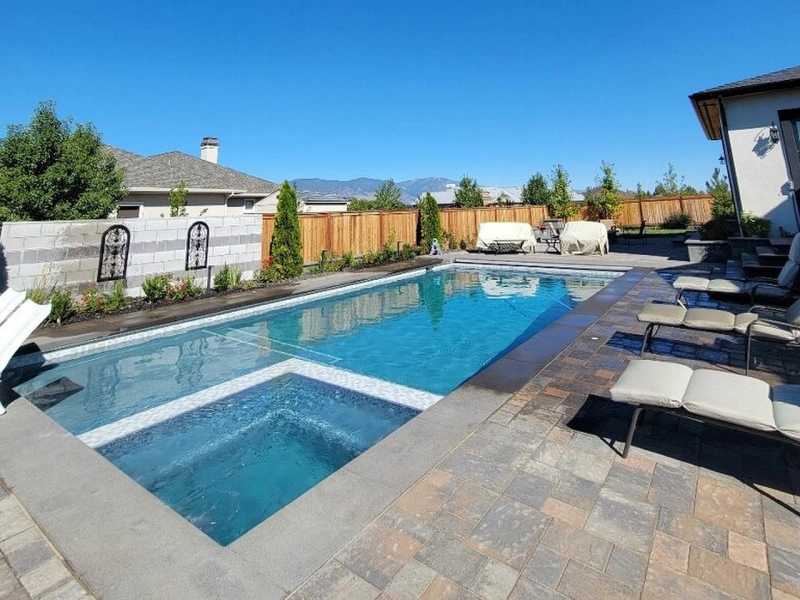
Why Choose an Inground Pool?
An inground pool represents a permanent addition to your property that delivers decades of enjoyment while increasing home value in ways above-ground alternatives simply cannot match. Unlike temporary structures that sit on your lawn, inground pools integrate seamlessly with your landscape design, creating a true outdoor living space tailored to your family’s needs and aesthetic preferences.
Homeowners across the Riverside-San Bernardino region choose inground options because they withstand the intense summer heat and year-round sun exposure that define Southern California living. The structural integrity of a properly constructed inground pool handles temperature fluctuations better than portable models, reducing maintenance headaches and extending the lifespan of your investment. When temperatures regularly exceed 100 degrees during summer months, having a permanent water feature built to handle these conditions becomes invaluable.
The decision to install an inground pool makes particular sense for families planning to stay in their homes long-term, those with adequate yard space, and homeowners looking to create an entertainment hub that becomes the centerpiece of their outdoor living area. Custom design options allow you to incorporate features like built-in seating, tanning ledges, and integrated spa areas that transform a simple swimming space into a backyard resort. The initial investment, while substantial, pays dividends through increased property appeal and countless hours of family recreation.
Getting the Permits and Site Assessment Right
Before breaking ground, thorough planning sets the foundation for a successful project. Site assessment begins with evaluating soil conditions, drainage patterns, and underground utilities that might complicate excavation. In San Bernardino and Riverside Counties, many properties feature rocky soil or caliche layers that require specialized equipment to penetrate, potentially adding time and cost to your project timeline. A qualified swimming pool contractor will conduct soil testing to determine load-bearing capacity and identify any geological challenges before finalizing your design.
Permit requirements vary by municipality, but most jurisdictions in the region require detailed engineering plans, safety barrier specifications, and inspections at multiple construction phases. Budget between $800 and $2,500 for permit fees, depending on your city’s requirements and pool size. The permitting process typically takes two to six weeks, so initiating this step early prevents delays once you’re ready to begin construction. Your contractor should handle permit applications, though some homeowners prefer to manage this directly to maintain control over timelines.
Design considerations during planning should account for sun exposure patterns throughout the day, prevailing wind directions, and proximity to existing structures. Southern California’s intense UV exposure means positioning your pool to maximize afternoon shade can reduce water evaporation and chemical consumption. Budget planning must factor in not just the pool itself but also decking, fencing, equipment, and landscaping integration. Typical inground pool installation costs range from $40,000 to $100,000 or more, depending on size, materials, and customization level. Setting realistic financial expectations during this phase prevents mid-project surprises and ensures you can complete the installation to your satisfaction.
What to Expect During the Build Process
Understanding the construction sequence helps homeowners prepare for the temporary disruptions that accompany any major backyard project. The typical timeline spans eight to twelve weeks from excavation to final inspection, though complex designs or permit delays can extend this period. Week one usually involves excavation and rough grading, during which heavy machinery accesses your property and removes significant amounts of soil. Expect noise, dust, and limited backyard access during this phase.
Weeks two through four focus on structural work, including steel reinforcement installation, plumbing rough-in, and electrical conduit placement. For concrete pools, this stage includes gunite or shotcrete application, the most critical phase for long-term structural integrity. Fiberglass installations move faster during this period since the shell arrives pre-manufactured and simply requires setting and backfilling. Your contractor will schedule mandatory inspections at specific milestones, and work cannot proceed until inspectors approve each phase.
The final four to eight weeks involve tile setting, coping installation, deck construction, equipment hookup, and finish application. Plaster curing requires careful water chemistry management during the first month, making professional guidance particularly valuable during this period. Weather impacts timelines significantly, with rain delays more common during winter months, though Southern California’s climate allows year-round construction in most cases. Throughout the process, maintain open communication with your contractor about progress, any discovered complications, and timeline adjustments. Most reputable builders provide weekly updates and address concerns promptly, ensuring you remain informed as your backyard transformation unfolds.
Pool Materials and Customization Options
Material selection fundamentally shapes your pool’s longevity, maintenance requirements, and aesthetic appeal. Concrete pools, constructed using gunite or shotcrete methods, offer unlimited shape possibilities and the most customization flexibility. They handle the ground movement common in California seismic zones better than rigid alternatives and can be resurfaced multiple times over their 50-plus-year lifespan. Surface finish options range from traditional plaster to pebble aggregates and glass bead finishes, each offering different textures, colors, and durability profiles.
Fiberglass pools arrive as single-piece shells manufactured off-site, limiting shape options but offering faster installation and smoother surfaces that resist algae growth. The gelcoat finish rarely requires resurfacing and maintains its appearance for 15 to 25 years with minimal care. This option appeals to homeowners prioritizing lower long-term maintenance over design flexibility. Vinyl-lined pools remain less common in Southern California due to the material’s vulnerability to UV degradation under intense sun exposure, though they represent the most budget-friendly option for those with strict cost constraints.
Design customization extends far beyond basic shape selection. Tanning ledges create shallow lounging areas perfect for young children or adults seeking to cool off without full immersion. Beach entries mimic natural shorelines with gradual depth transitions, while infinity edges produce stunning visual effects on sloped properties. Integrated spa areas add therapeutic value and extend usability into cooler months when the main pool might feel too cold. Lighting systems, water features, automated covers, and heating options transform a basic swimming hole into a sophisticated outdoor living space. Working with professionals experienced in custom pool design ensures these elements integrate cohesively rather than appearing as disconnected add-ons, creating a unified backyard environment that reflects your lifestyle and aesthetic preferences.
Protecting Your Investment for Decades
Proper maintenance begins the moment your pool fills with water and continues throughout its lifetime. Water chemistry management requires regular testing and adjustment of pH, alkalinity, calcium hardness, and sanitizer levels to prevent surface damage, equipment corrosion, and uncomfortable swimming conditions. California’s hard water supplies often introduce high calcium levels that demand careful monitoring to avoid scale buildup on tiles and equipment. During peak summer months when temperatures soar and evaporation accelerates, expect to check chemistry two to three times weekly and add water regularly to maintain proper levels.
Equipment maintenance includes cleaning skimmer baskets and pump strainers weekly, backwashing or cleaning filters monthly, and scheduling annual professional inspections of heaters, pumps, and automation systems. Filter media requires replacement every three to seven years depending on type, with cartridge filters demanding more frequent attention than sand or diatomaceous earth systems. Investing in quality equipment from the outset reduces repair frequency and extends operational lifespan, ultimately lowering total ownership costs.
Surface care varies by material but generally involves brushing walls weekly to prevent algae establishment, vacuuming debris, and addressing stains promptly before they become permanent. Concrete pools require acid washing every three to five years to remove embedded stains and resurfacing every 10 to 15 years to maintain structural integrity and appearance. Establishing relationships with qualified professionals for repairs, seasonal openings and closings, and major maintenance tasks ensures issues receive proper attention before escalating into costly problems.
The long-term value of inground pool installation extends beyond financial returns to include health benefits, family bonding opportunities, and enhanced quality of life. Properties with well-maintained pools typically sell faster and command premium prices in markets where outdoor living ranks high among buyer priorities. If you’re ready to explore options for creating your own backyard retreat, consulting with a swimming pool contractor who understands local conditions, permitting requirements, and design possibilities provides the foundation for a successful project that delivers enjoyment for generations.